
Blog
Practical guides for saving your own media, understanding video formats, documenting licenses, and using online video tools responsibly.
Rights and licensing
Plain-English guidance on Creative Commons, public domain media, creator permission, and responsible use.
Formats and quality
How codecs, bitrates, resolution, captions, and containers affect file size and long-term playback.
Archiving workflows
Step-by-step workflows for creators, teachers, and teams who need organized local copies.
Private Video Links, Consent, and What You Should Never Save
Why this topic deserves more than a quick download Private Video Links, Consent, and What You Should Never Save is not only a technical task. It is usually a decision about ownership, memory, privacy, and future access.
Building a Personal Media Library That Will Still Make Sense Years Later
Why this topic deserves more than a quick download Building a Personal Media Library That Will Still Make Sense Years Later is not only a technical task. It is usually a decision about ownership, memory, privacy, and future access.
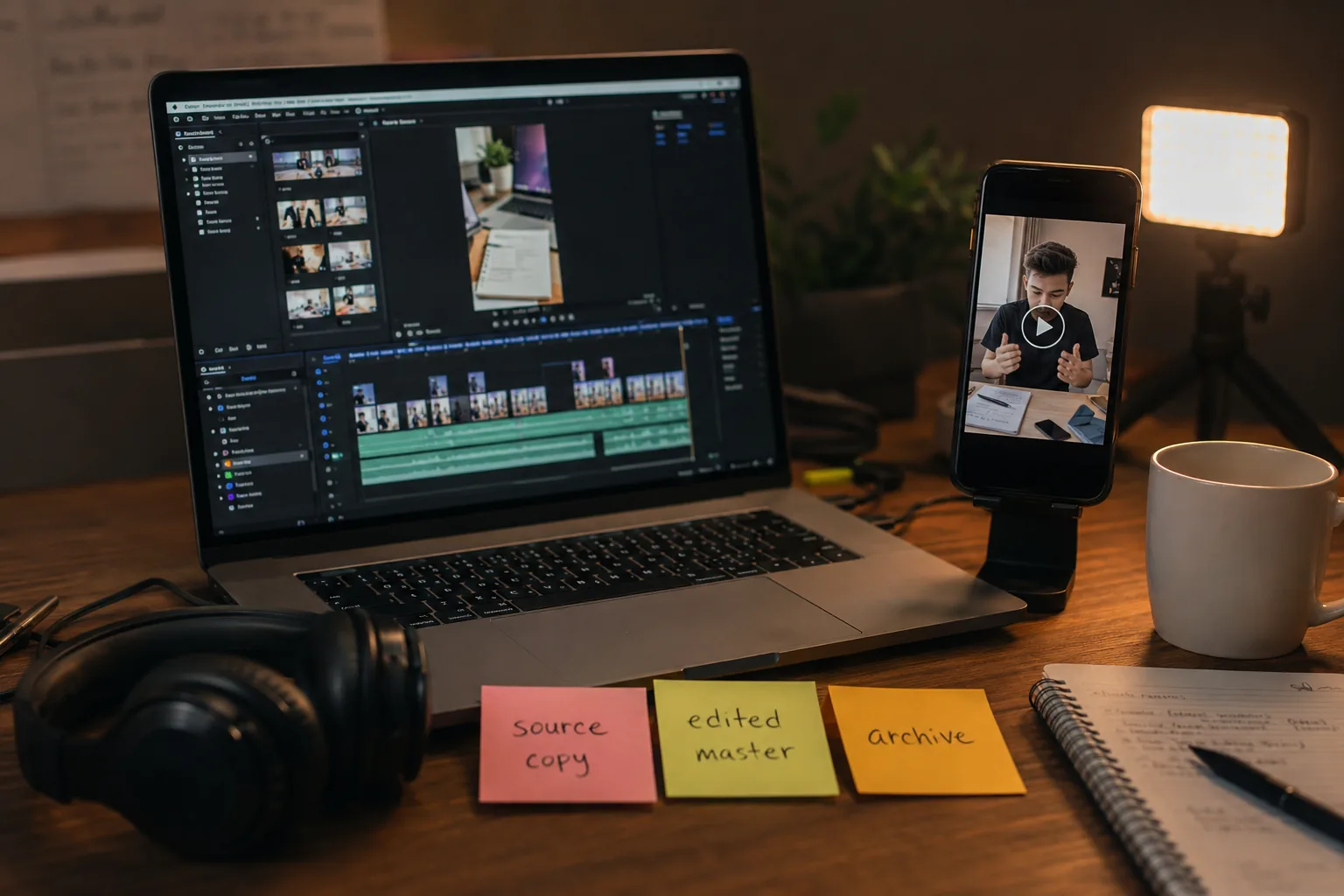
How to Back Up Your Own Social Video Posts Before You Delete Them
Why this topic deserves more than a quick download How to Back Up Your Own Social Video Posts Before You Delete Them is not only a technical task. It is usually a decision about ownership, memory, privacy, and future access.
How to Save Your Own Facebook Videos Before Cleaning Up an Account
Why this topic deserves more than a quick download How to Save Your Own Facebook Videos Before Cleaning Up an Account is not only a technical task. It is usually a decision about ownership, memory, privacy, and future access.
How Educators Can Use Online Video Responsibly
Why this topic deserves more than a quick download How Educators Can Use Online Video Responsibly is not only a technical task. It is usually a decision about ownership, memory, privacy, and future access.
How to Download Your Own YouTube Videos the Right Way
Why this topic deserves more than a quick download How to Download Your Own YouTube Videos the Right Way is not only a technical task. It is usually a decision about ownership, memory, privacy, and future access.
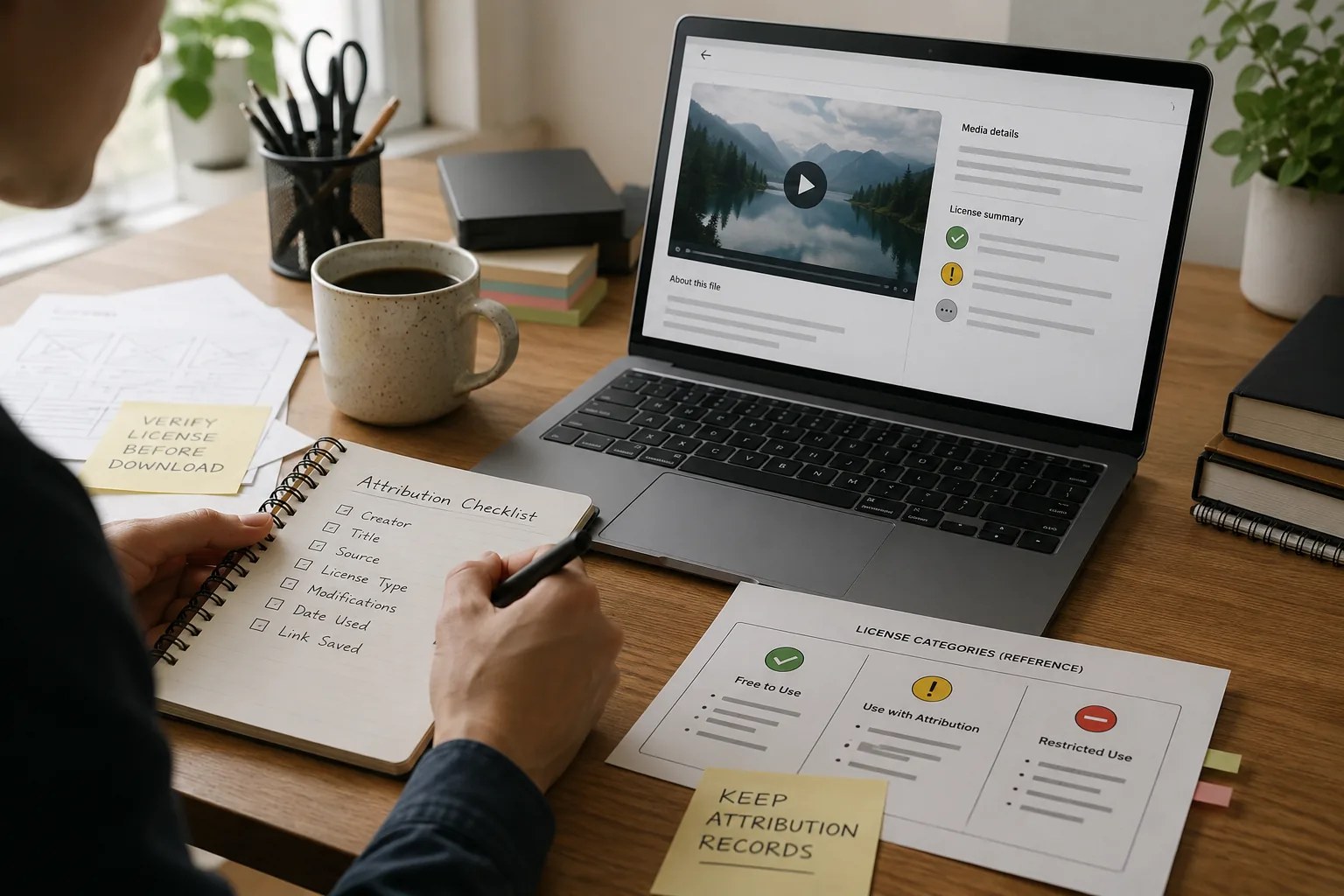
What Creative Commons Means When You Want to Use Video Online
Why this topic deserves more than a quick download What Creative Commons Means When You Want to Use Video Online is not only a technical task. It is usually a decision about ownership, memory, privacy, and future access.
Video File Formats Explained Without the Jargon
Why this topic deserves more than a quick download Video File Formats Explained Without the Jargon is not only a technical task. It is usually a decision about ownership, memory, privacy, and future access.
How to Compress Video Without Ruining the Footage
Why this topic deserves more than a quick download How to Compress Video Without Ruining the Footage is not only a technical task. It is usually a decision about ownership, memory, privacy, and future access.